 Knowledge Center
Research Buying Guide
Label Slitting Rewinding Machine Planning Guide for Different Label Factory Sizes
A practical equipment planning guide for small, growing and medium label factories comparing web width, speed, inspection, tension control, rewinding quality and phased machine investment.
Quick Answer
The right label slitting rewinding machine depends on factory size, order type, material width, inspection needs, speed requirement, operator skill and future capacity plan.
A startup label shop should first solve clean slitting, stable rewinding and easy operation. A growing label factory may need an inspection slitter rewinder with better web guiding, tension control, upper and lower rewinding shafts and automatic meter stop. A medium label converter may need higher speed, servo drive, taper tension control, larger roll diameter support and stronger inspection capability. A high-volume converter should plan multiple converting lines, automation, automatic roll change, waste matrix collection and integrated production flow.
The best purchase decision is not the fastest machine. It is the machine configuration that fits current production problems while leaving room for future order growth.
Why Label Companies Should Plan Equipment by Factory Size
Many small and medium label converters are under pressure from shorter production runs, rising material costs, labor dependency, more SKUs and faster delivery requirements. This makes equipment planning more important than simply buying the fastest or largest machine.
For label production, slitting and rewinding are often the final steps before delivery. If finished rolls are loose, edges are rough, label width is unstable or printed rolls are not inspected properly, the customer may face feeding problems, label application problems or quality complaints.
Equipment planning should answer three questions: what problem must the factory solve now, which configuration is necessary for the next stage, and which automation should be added later instead of purchased too early.
Common Challenges for Small and Medium Label Companies
- Short-run orders and fast delivery pressure.
- Many SKUs and frequent changeovers.
- Material waste from setup mistakes.
- Labor dependency and operator skill differences.
- Unstable slitting edge or adhesive build-up on blades.
- Loose rewinding, telescoping rolls or uneven roll sides.
- Limited budget for equipment investment.
- Need to upgrade automation step by step.
Factory Size Classification
A. Startup / Small Label Shop
This stage usually handles small sticker label orders, barcode labels, digital printed rolls, limited operators and material widths often within 370mm or 570mm.
Recommended machine: compact label slitting rewinding machine, or a basic inspection slitter rewinder if printed roll checking is needed.
- Easy operation
- Stable rewinding
- Clean slitting edge
- Low waste
- Low learning curve
B. Growing Small and Medium Label Factory
This stage has more daily orders, more materials, more finished roll sizes and stronger delivery-quality requirements.
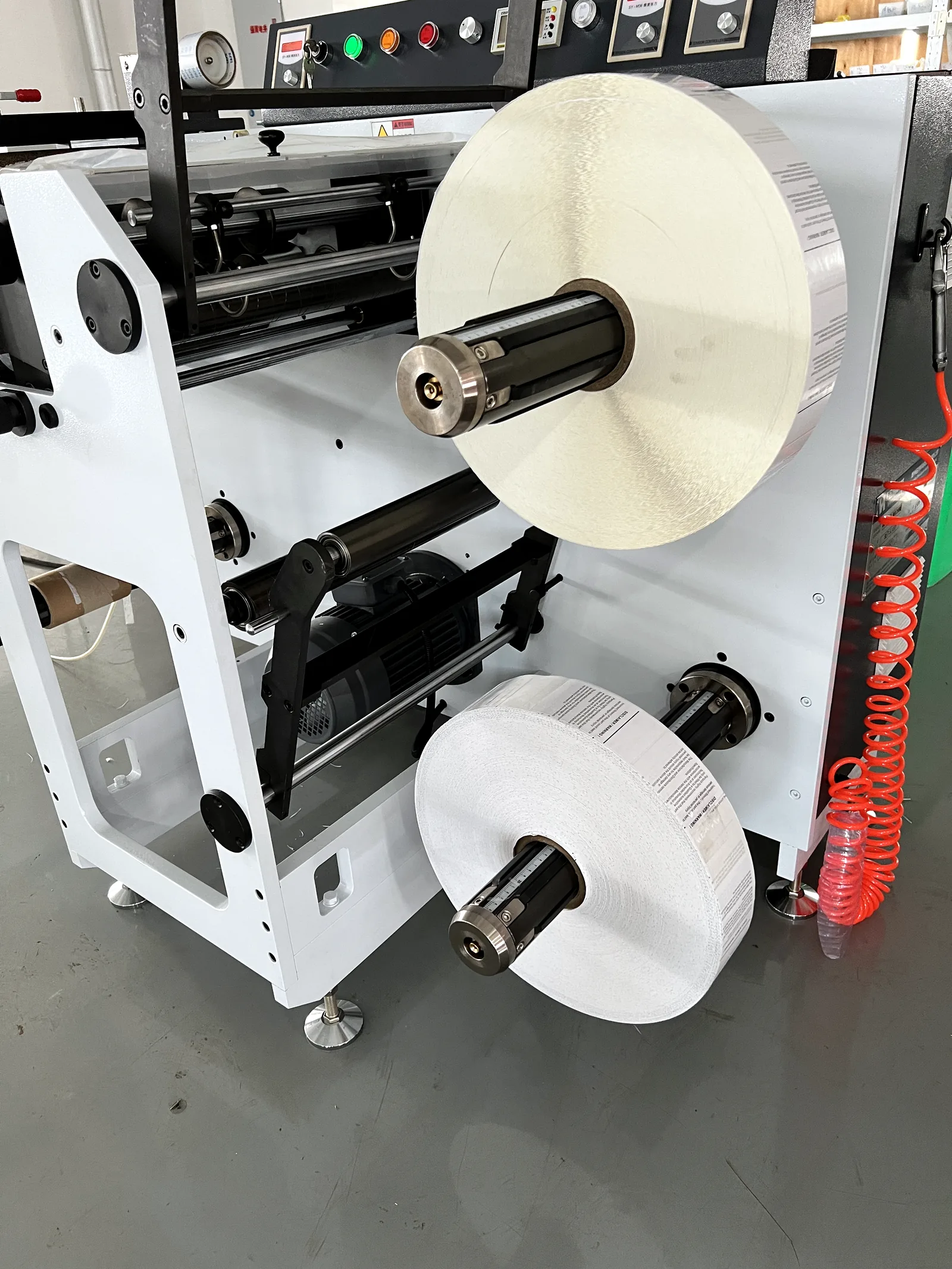
Recommended machine: inspection slitter rewinder with servo tension control, web guiding, upper and lower rewinding shafts, automatic meter stop and optional razor blade or rotary blade setup.
- Web guiding
- Independent or stable tension control
- Rewinding quality
- Flexible finished roll width
- Less operator dependency
C. Medium Label Converter
This stage usually has a stable customer base, repeated orders, higher speed requirement, more operators and better quality control needs.
Recommended machine: high speed label slitting rewinding machine, inspection section if needed, automatic counting or meter setting, stronger tension system and larger roll diameter support.
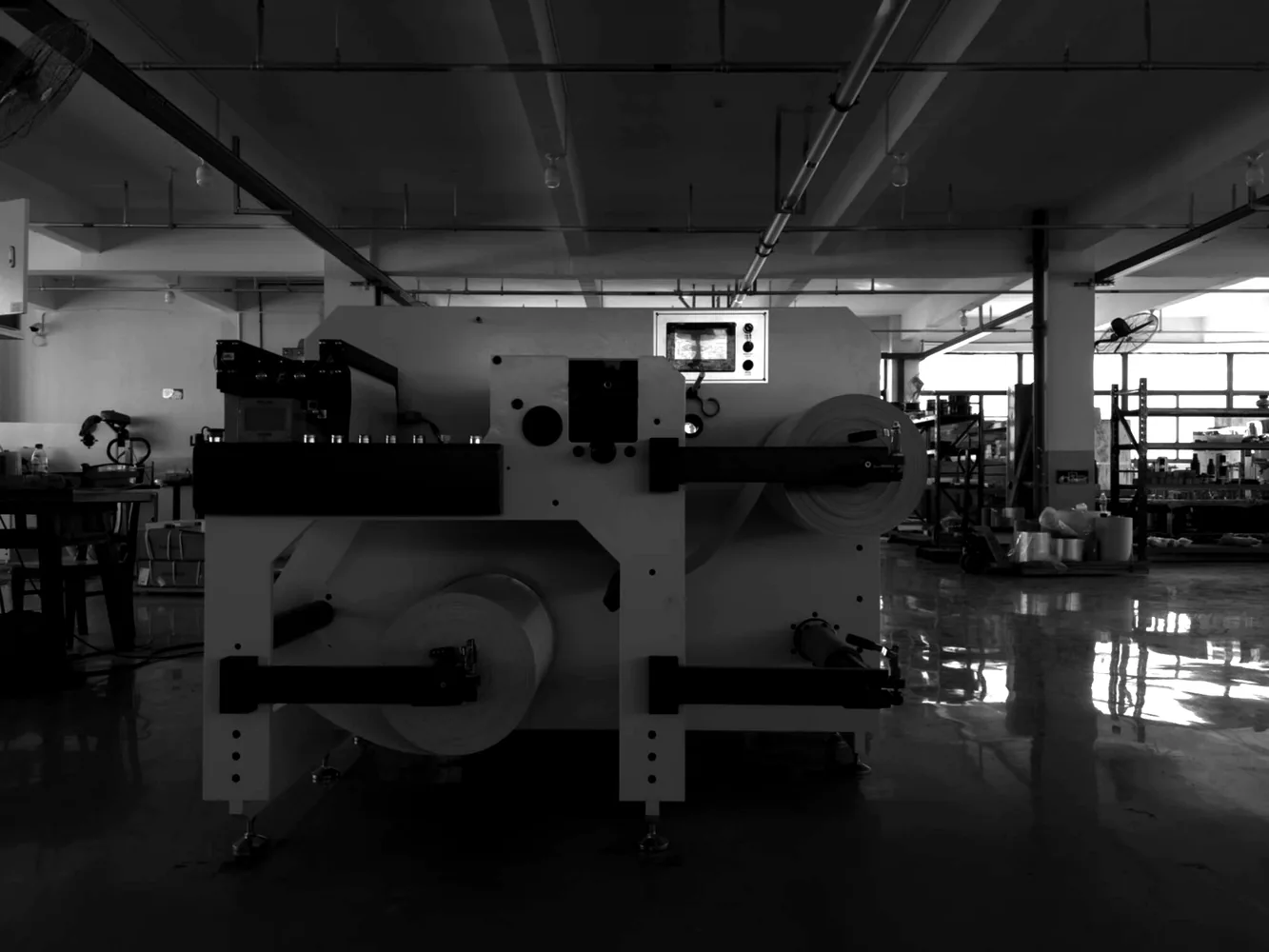
This is an example machine, not the only recommendation. The correct model depends on real material width, roll diameter, finished roll layout and future capacity.
D. Larger / High-volume Label Converter
This stage needs continuous production, multiple converting lines, higher output, stronger automation and less downtime.
Recommended direction: multiple inspection slitter rewinders, automatic roll change machine, automatic waste matrix collector, rotary die cutting line, digital finishing for short-run jobs and inline inspection if needed.
Machine Selection Matrix
| Factory Size | Main Problem | Recommended Machine | Key Configuration | Avoid This Mistake |
|---|---|---|---|---|
| Startup / small label shop | Need finished rolls from small sticker or barcode label orders | Compact label slitting rewinding machine | Easy operation, web guiding, stable rewinding, suitable core size | Buying too large too early |
| Growing SME | More orders and more roll sizes | Inspection slitter rewinder | Better tension control, inspection table, upper/lower rewinding shafts, automatic meter stop | Ignoring inspection and rewinding quality |
| Medium label converter | Higher speed and repeatable quality | High speed label slitting rewinding machine | Servo drive, taper tension, web guide, larger roll diameter, optional inspection | Comparing only maximum speed |
| High-volume converter | Continuous production and less downtime | Multiple converting lines and automation | Auto roll change, waste matrix collection, rotary die cutting, digital finishing, inline inspection | Adding automation without workflow planning |
What Web Width Should You Choose?
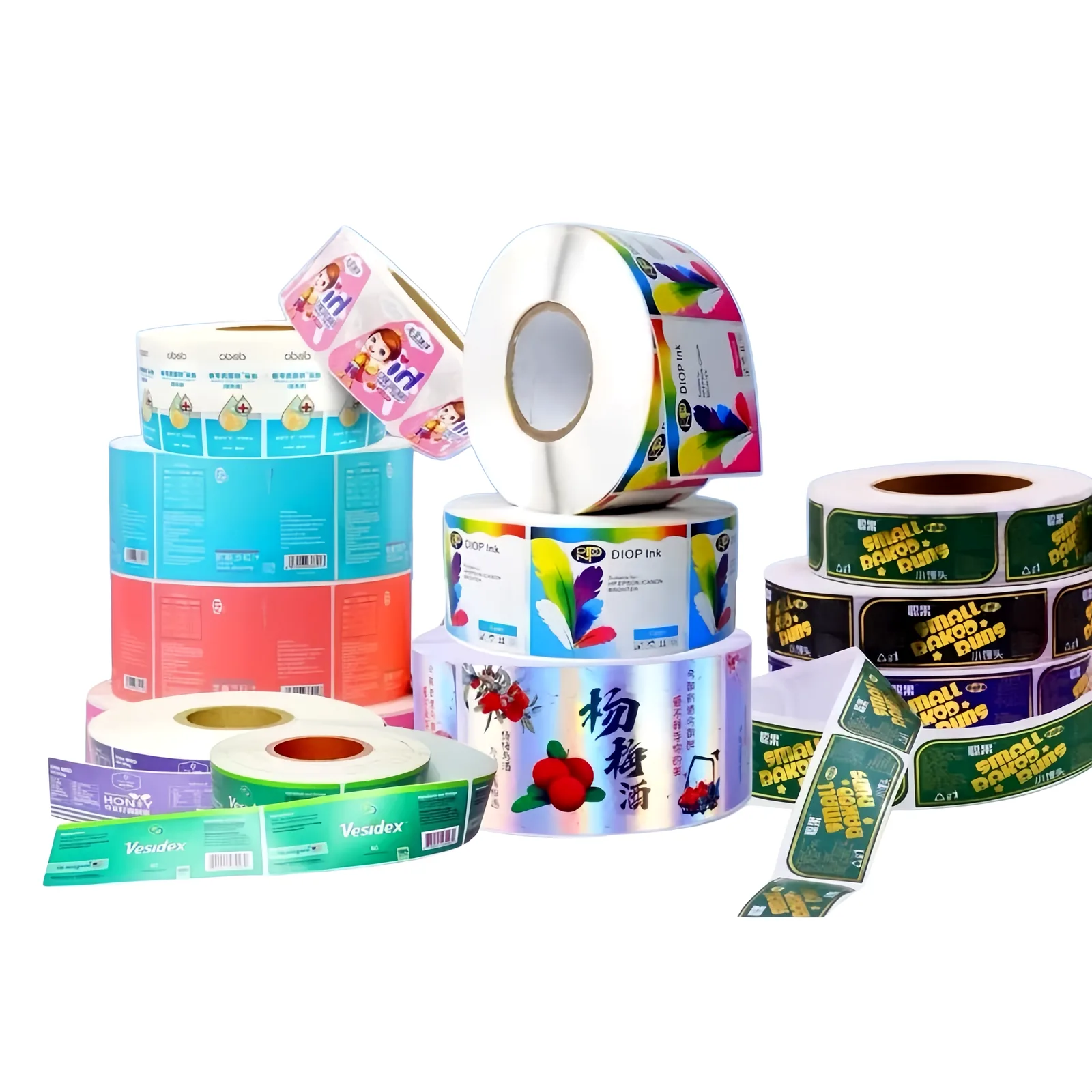
Many sticker label, barcode label and self-adhesive label applications use material widths commonly within 570mm. However, machine width should be selected based on actual roll width, future capacity and finished roll requirements.
- Maximum printed roll width.
- Future printing machine width.
- Number of finished rolls across one master roll.
- Minimum and common finished roll width.
- Whether wider packaging label jobs may be added later.
Speed Is Not the Only Buying Factor
Maximum speed is not equal to stable production speed. Stable production speed depends on material type, web width, roll diameter, blade condition, slitting lane count, web guiding stability, tension control, rewinding quality, operator skill and inspection needs.
For many buyers, a machine running at a slightly lower but stable speed produces better delivery quality than a faster machine that creates rough edges, loose rolls or high waste.
Must-have Configurations by Growth Stage
| Growth Stage | Must-have Configurations |
|---|---|
| Startup | Easy operation, web guiding, stable rewinding, simple blade adjustment, suitable core support |
| Growing SME | Better tension control, inspection table, upper/lower rewinding shafts, automatic meter stop, flexible finished roll width |
| Medium factory | Servo drive, taper tension control, high speed stability, larger roll diameter, optional inspection system |
| High-volume factory | Automation, automatic roll change, waste matrix collection, production line integration, inline inspection if needed |
Equipment Purchase Roadmap
Phase 1: Finished Roll Quality
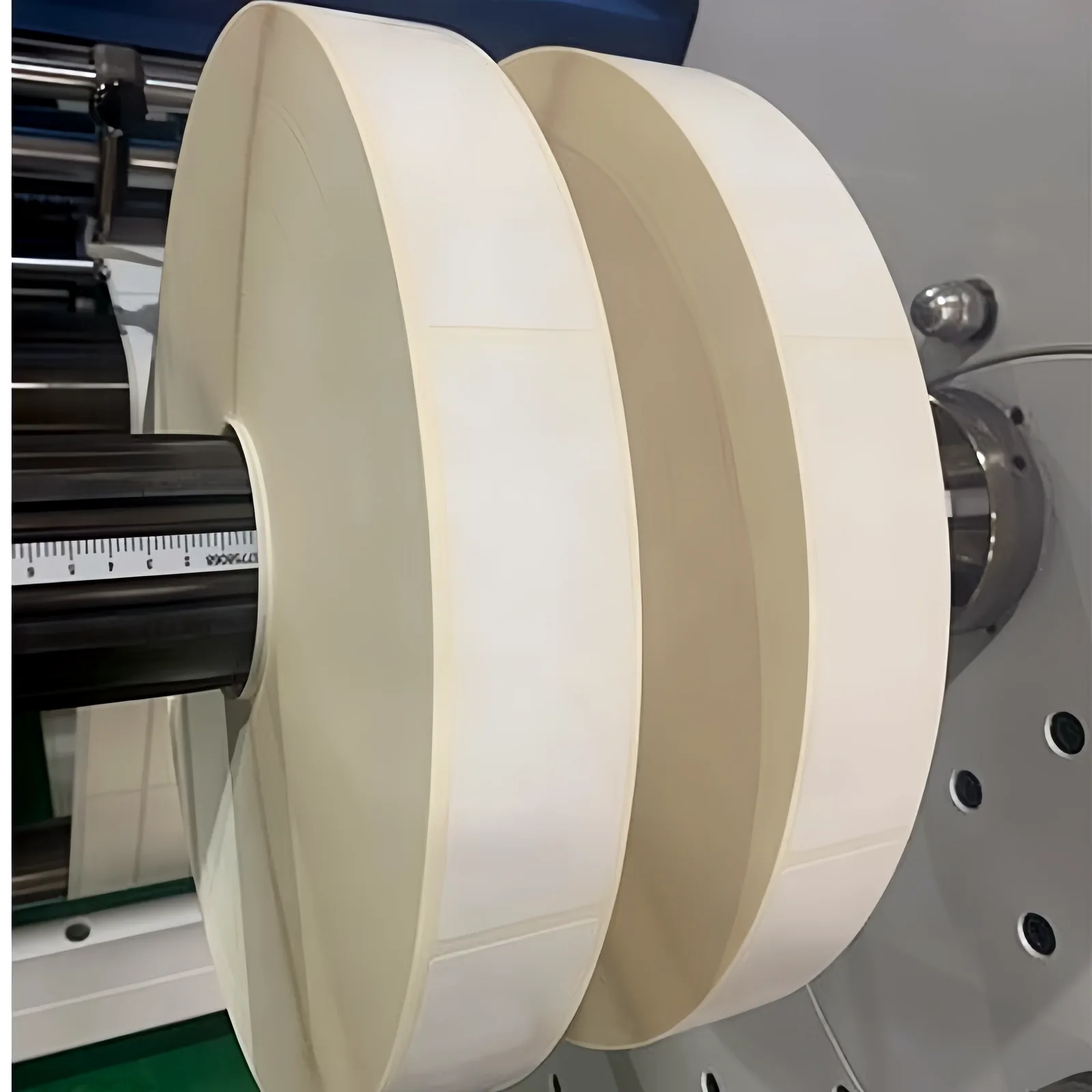
Start with a label slitting rewinding machine or inspection slitter rewinder to produce clean edges, stable roll sides and customer-ready finished rolls.
Phase 2: Quality Checking
Add inspection table, web guide and better tension control when printed rolls need checking before delivery.
Phase 3: Short-run Production
Consider digital finishing, rotary die cutting, laser die cutting or semi-rotary die cutting when orders become more diverse.
Phase 4: Automation
Plan automatic roll change, waste matrix collectors and inline systems after workflow and volume justify automation.
Practical Buying Checklist
- Material type.
- Maximum web width.
- Finished roll width.
- Unwinding and rewinding roll diameter.
- Core diameter.
- Required speed.
- Inspection need.
- Blade type preference or cutting difficulty.
- Operator skill level.
- Current production problem.
- Future capacity plan.
Common Buying Mistakes
- Only buying by price.
- Only comparing maximum speed.
- Ignoring actual web width.
- Ignoring rewinding quality.
- Ignoring operator skill and setup difficulty.
- Buying too large too early.
- Buying too basic when quality checking is needed.
Example Scenarios
Scenario 1: Small Sticker Label Shop
Focus on easy operation, stable rewinding, clean slitting edge and low waste. A compact label slitting rewinding machine may be enough unless printed roll inspection is required.
Scenario 2: Barcode Label Producer
Barcode label rolls need accurate finished width and neat rewinding. Web guiding, blade condition and finished roll tension are important.
Scenario 3: Growing Packaging Label Converter
Consider an inspection slitter rewinder with stronger tension control, upper and lower rewinding shafts and flexible blade setup.
Scenario 4: Digital Label Printing Shop
Start with slitting and rewinding for finished roll delivery, then add digital finishing or semi-rotary die cutting when short-run order types grow.
Scenario 5: High-volume Roll-to-roll Label Converter
Plan multiple inspection slitter rewinders, rotary die cutting, automatic roll change and waste matrix collection in stages.
Real Machine and Roll Photos
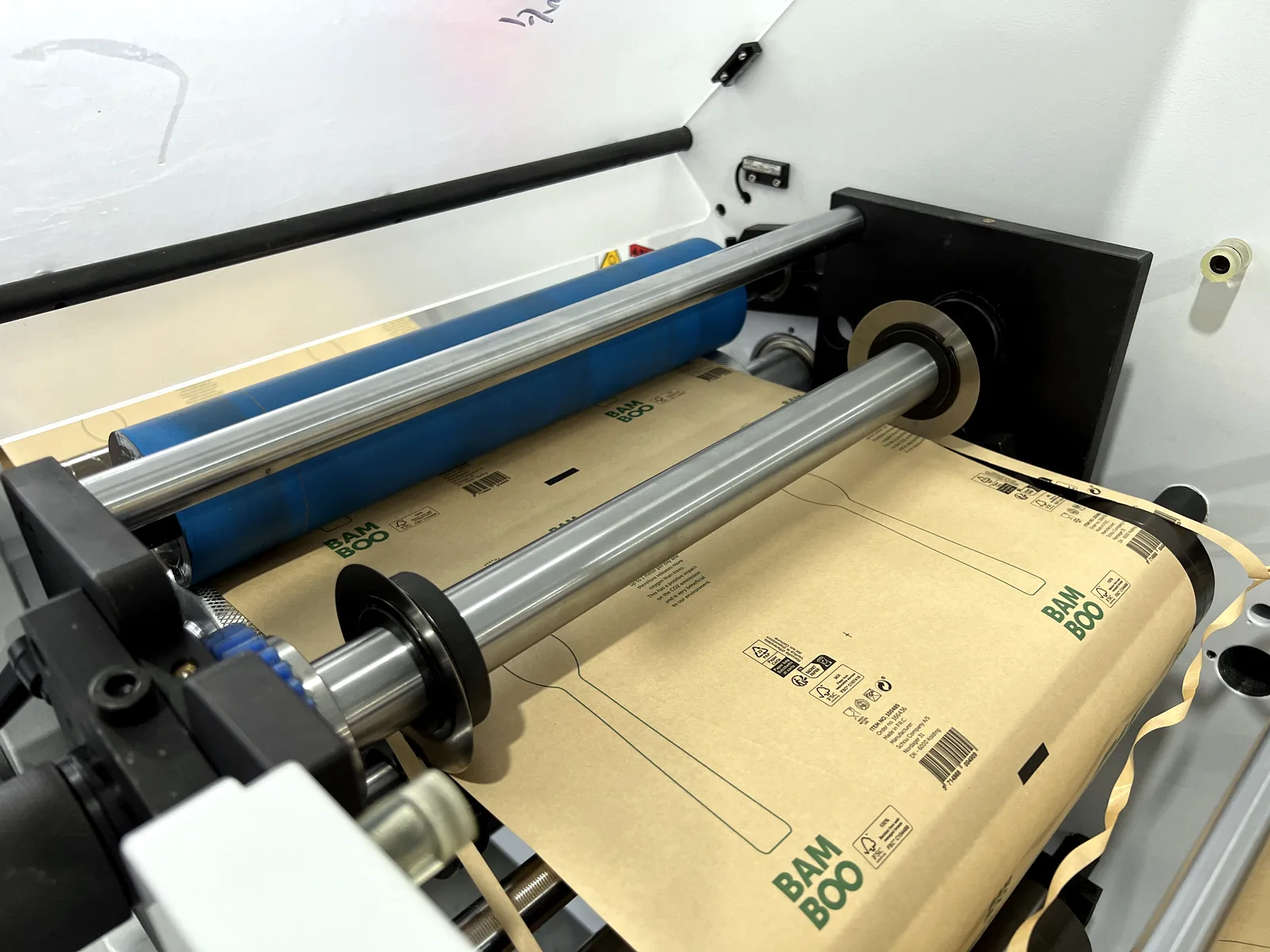
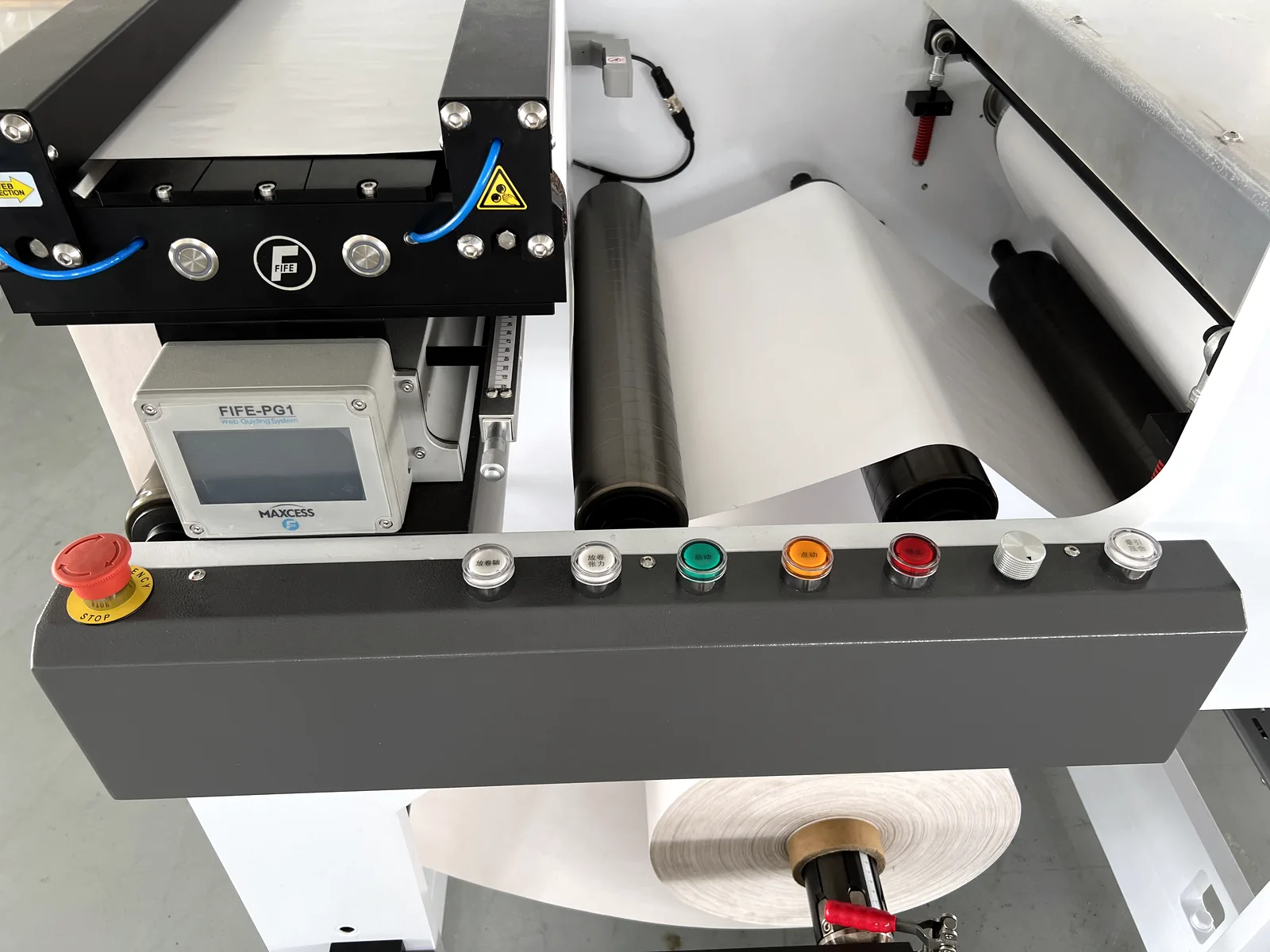
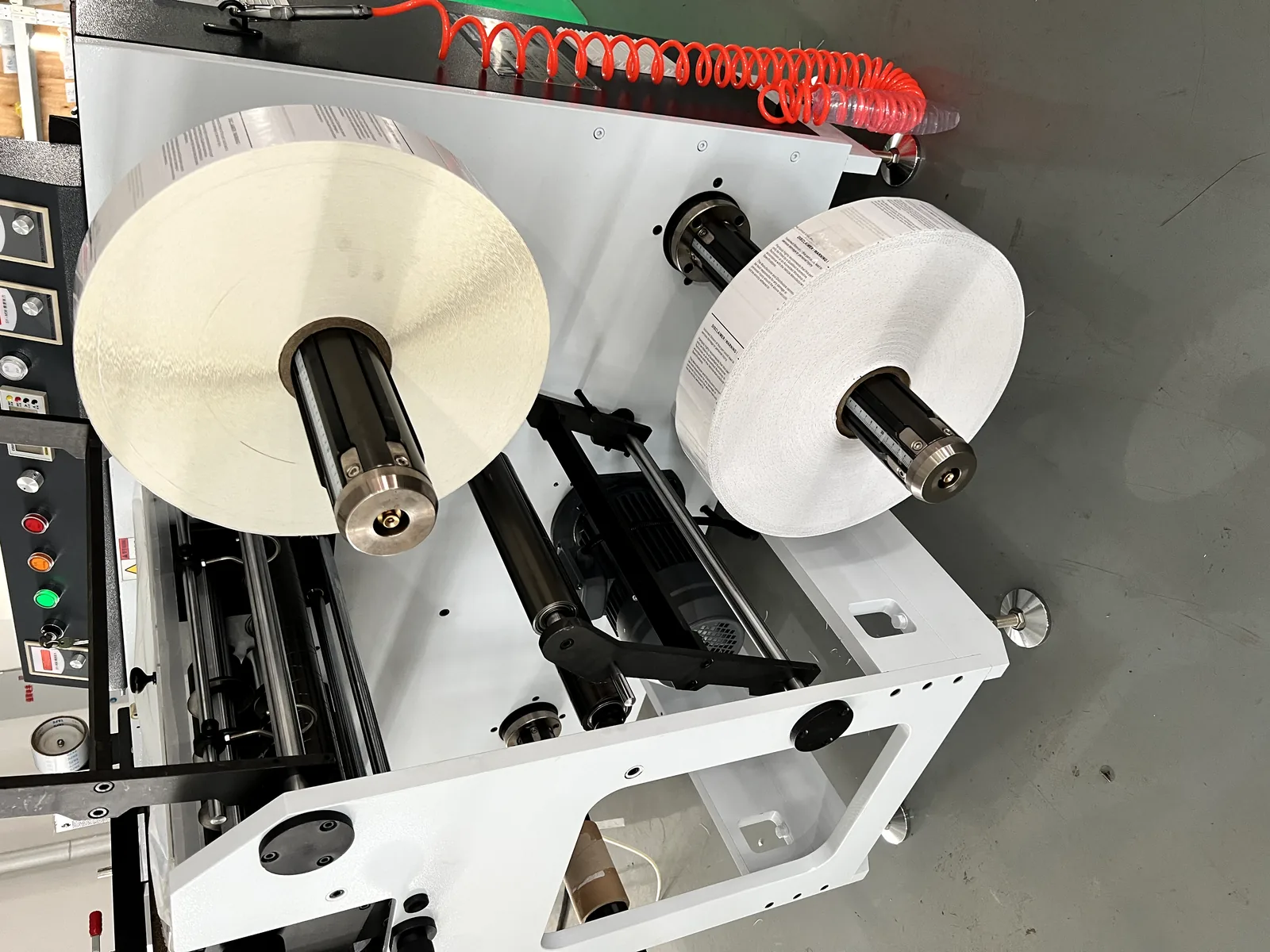
Recommended Information to Send Before Quotation
- Material type.
- Maximum web width.
- Unwinding roll diameter.
- Rewinding roll diameter.
- Finished roll width.
- Core diameter.
- Required speed.
- Required function: slitting, inspection, rewinding, die cutting, digital finishing or waste matrix removal.
- Current production problem.
- Photos or videos of your material and finished rolls.
FAQ
What size label slitting rewinding machine should a small label company choose?
A small label company should choose a machine based on actual material width, finished roll width, roll diameter and operator skill. Many small sticker or barcode label jobs can start with a compact slitting rewinding machine, but printed roll inspection may require an inspection slitter rewinder.
Is 570mm web width enough for sticker label production?
Many sticker label, barcode label and self-adhesive label applications use material widths commonly within 570mm. But the final choice depends on actual roll width, future capacity, finished roll layout and customer order types.
Should I choose a basic slitter rewinder or an inspection slitter rewinder?
Choose a basic slitter rewinder if the main task is slitting and rewinding blank or already-checked rolls. Choose an inspection slitter rewinder if operators need to check print quality, missing labels, die cutting problems or roll defects before delivery.
When do I need a high-speed slitting rewinding machine?
You need higher speed when daily volume increases, repeated orders are stable and operators can maintain quality at speed. Do not choose high speed only from a brochure number. Check stable running speed with your material.
Should I buy digital finishing or slitting rewinding first?
If your main problem is delivering finished rolls from existing printed material, buy slitting rewinding first. If your main problem is short-run die cutting, lamination or digital label finishing, then digital finishing may become the priority.
How can I avoid buying the wrong machine?
Send real material data, roll sizes, finished roll requirements, current problems and photos or videos before quotation. Compare configuration by production problem, not only by price or maximum speed.
Related Machines
Related Articles
Ask an Engineer
Not sure which label slitting rewinding machine fits your factory size?
Send us your material type, maximum web width, roll diameter, finished roll width, core diameter, required speed and current production problem. MWELLPACK can help check a practical machine configuration according to your production stage and future capacity plan.