 Knowledge Center
Machine Guide
What Is an Inspection Slitter Rewinder and How Does It Work?
Learn how an inspection slitter rewinder checks printed label rolls, controls web position, slits material into finished widths and rewinds stable label rolls for delivery.
Quick Answer
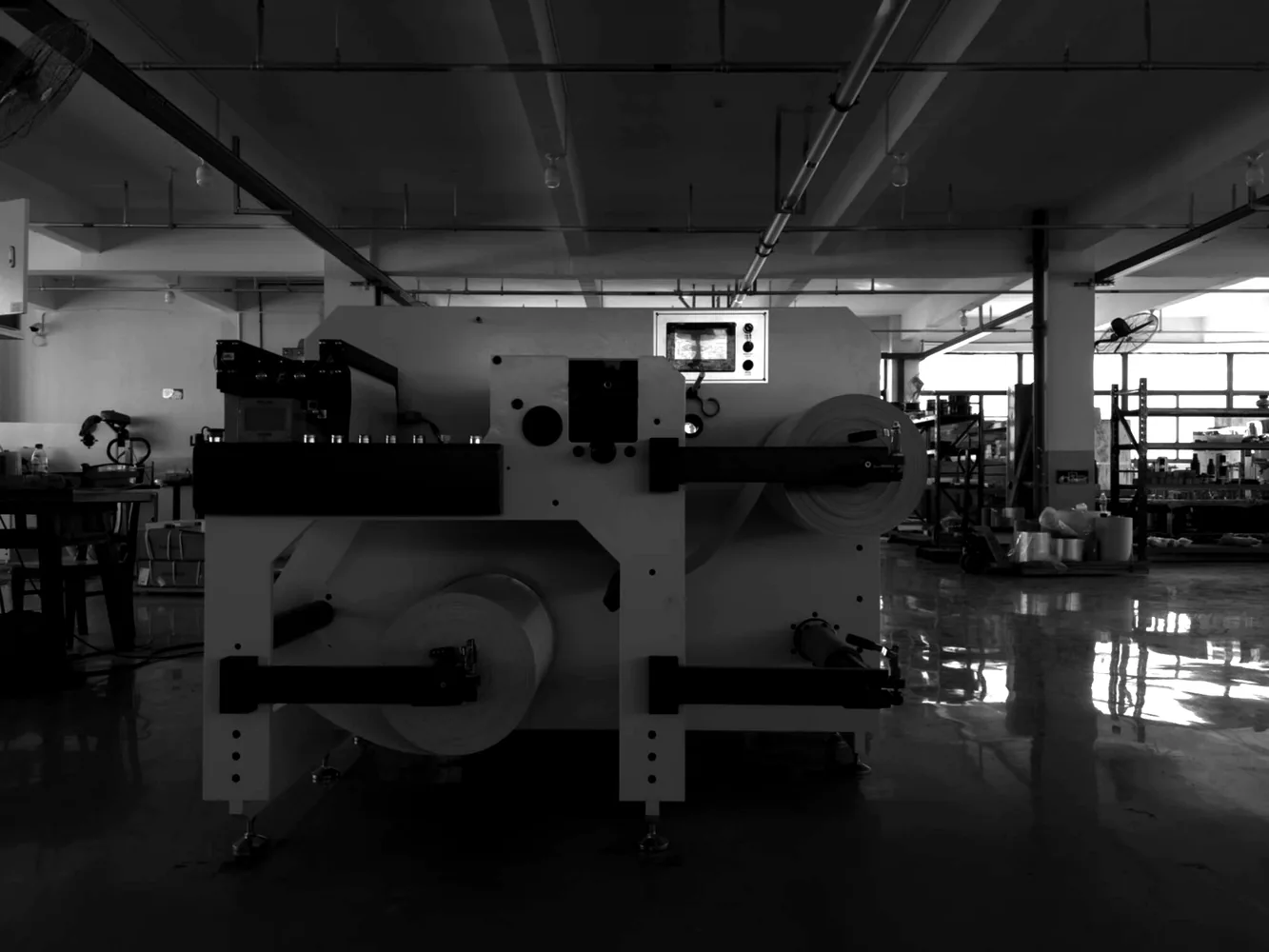
An inspection slitter rewinder is a roll-to-roll label converting machine used to inspect printed label rolls, correct web position, slit the material into narrower rolls and rewind the finished rolls with controlled tension. It is commonly used after label printing or digital label finishing, especially when a factory needs to check print quality and deliver clean, stable finished rolls.
Compared with a simple slitter rewinder, an inspection slitter rewinder adds an inspection section and pays more attention to web guiding, operator visibility and roll quality control. For sticker, barcode, packaging and self-adhesive label production, this machine helps reduce manual checking, material waste, roll deviation and rewinding defects.
What Is an Inspection Slitter Rewinder?
An inspection slitter rewinder converts a printed or blank mother roll into smaller finished label rolls while allowing the operator to inspect the material during the process. The machine usually includes unwinding, tension control, inspection, web guiding, slitting and rewinding.
In a typical label factory, labels are first printed by flexo, digital, inkjet or another printing process. After printing, the roll may still be too wide for delivery or may contain defects that need to be checked. The machine allows the factory to review the roll, remove or mark problem areas, slit it to the required width and rewind it into customer-ready rolls.
This is especially useful when the factory sells labels in roll form. Buyers care about edge quality, roll tightness, winding direction, core size, roll diameter and whether the roll can run smoothly on applicators, barcode printers or packaging lines.
What Problems Does It Solve?
The machine helps inspect defects such as dirty printing, missing print, incorrect registration, scratches or wrinkles. It also converts wide rolls into finished rolls. A printed mother roll may contain several lanes across the web, and the slitting section separates these lanes according to the required width.
It also improves rewinding quality. Without proper tension control, finished label rolls can become loose, too tight, uneven or telescoped. Inspection and slitting before delivery can reduce customer complaints and improve production control.
Real Production Scenarios
A barcode label factory may print several lanes across a self-adhesive paper roll. After printing, the factory needs to slit the wide roll into smaller rolls. If the edge is rough, the barcode printer may have feeding problems. If rewinding tension is unstable, the roll may become loose during transport.
A digital label print shop may produce short-run stickers for different brands. The operator needs to inspect print quality, remove defective sections, slit the labels and rewind final rolls in a repeatable way.
For packaging labels and logistics labels, the same machine helps check printed roll quality before shipment, especially when finished rolls must run on automatic labeling machines or packing lines.
How the Machine Works Step by Step
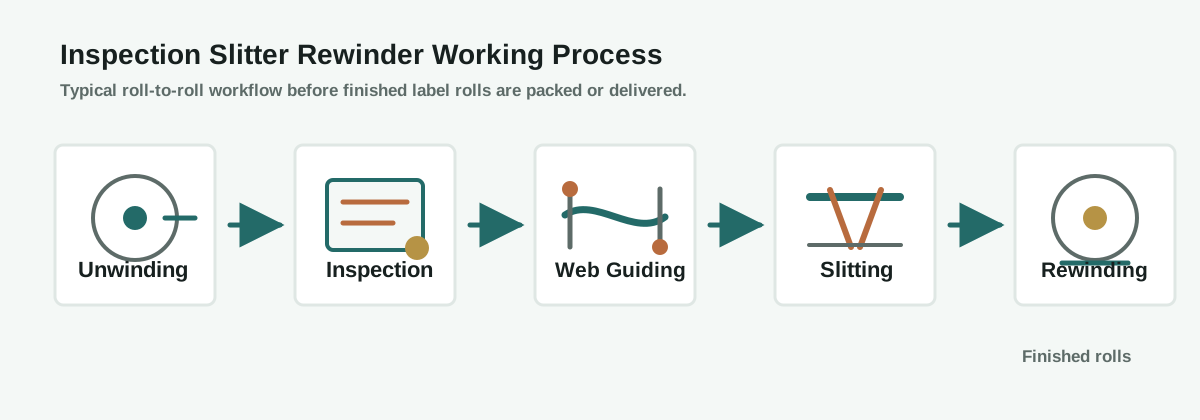
1. Unwinding
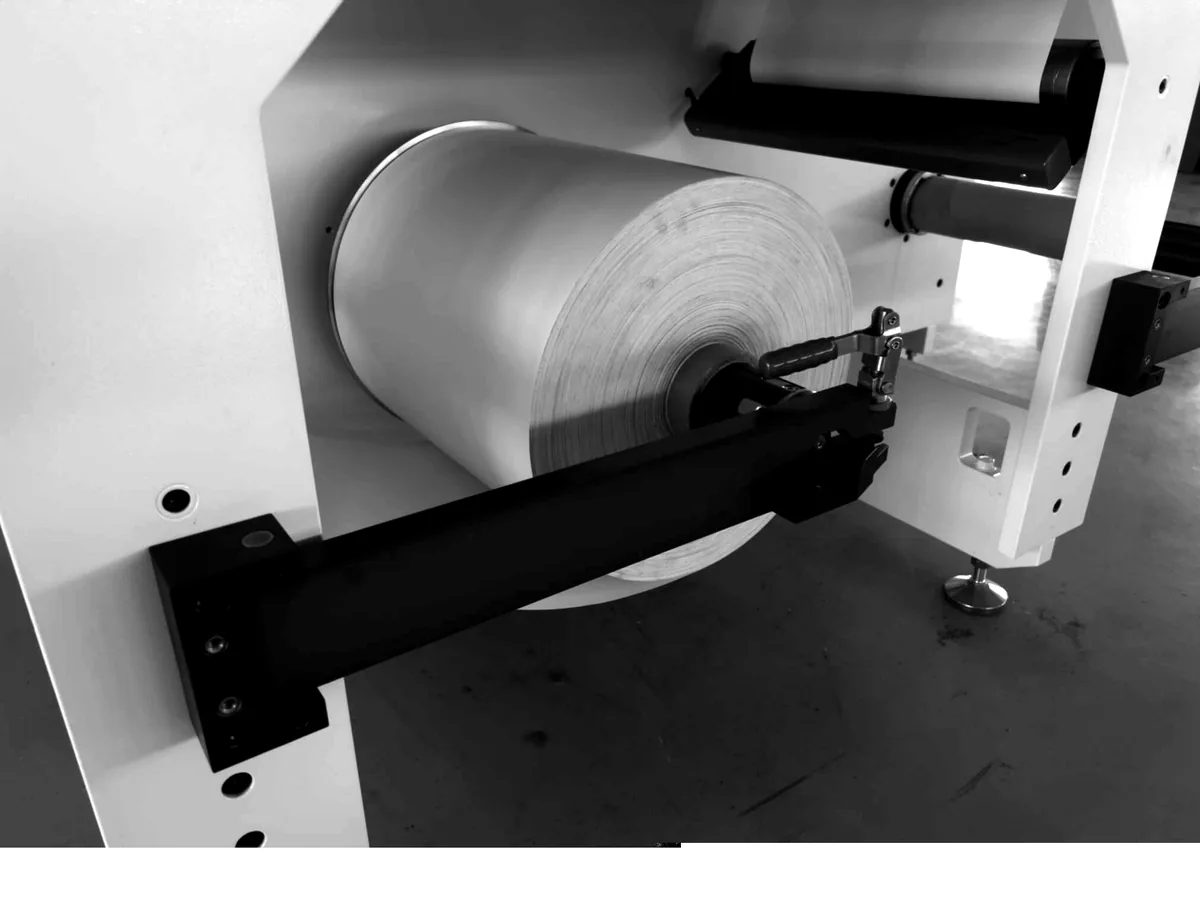
The printed or blank label roll is loaded onto an unwinding shaft, which supports the roll and feeds material into the machine. Buyers should confirm maximum unwinding roll diameter and core size before choosing a machine.
2. Inspection
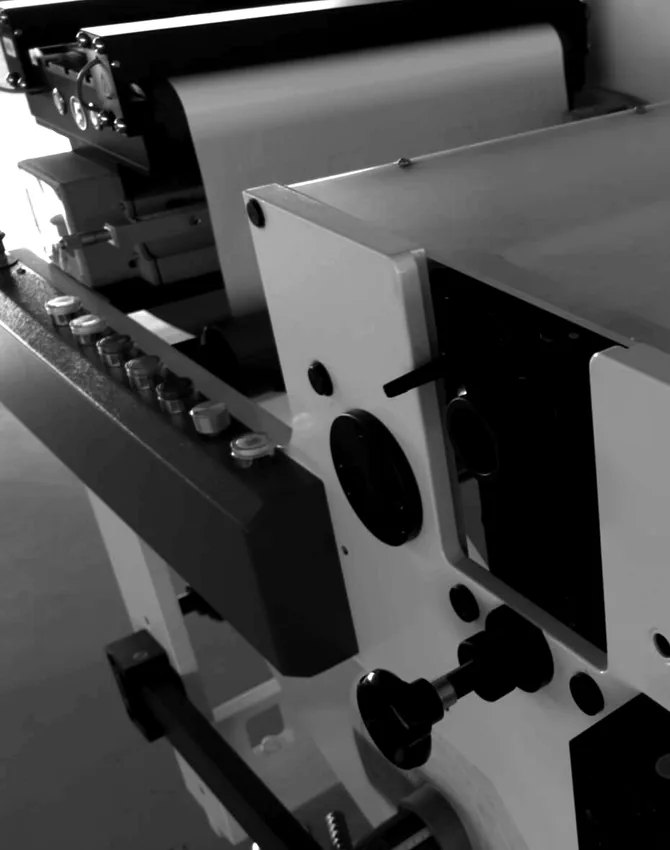
The material passes through an inspection section that gives the operator a better view of the printed web. Depending on requirements, this section may include an inspection table, strobe light, counter or camera inspection option.
3. Web Guiding
Web guiding keeps the material aligned. Even a small sideways movement can affect slitting position and finished roll side quality. This is important for flexible films, narrow labels and materials sensitive to tension changes.
4. Slitting
The slitting unit cuts the web into narrower rolls. Knife sharpness, knife holder stability, slitting pressure and setup accuracy all affect edge quality. For self-adhesive labels, the adhesive layer and liner also affect cutting behavior.
5. Rewinding
The separated lanes are rewound onto cores. Stable rewinding requires proper tension, core alignment, roll pressure and winding control. Too little tension can create loose rolls; too much tension can stretch or deform the material.
Working Process Diagram
Key Components Buyers Should Understand
- Unwinding shaft: supports the mother roll and should match roll weight, roll diameter and core size.
- Tension control: affects web stability, slitting accuracy and rewinding quality because paper, film and thermal stock react differently.
- Inspection table: gives operators a place to check print quality, splices and surface defects.
- Web guiding system: keeps the web aligned, especially for narrow rolls and film materials.
- Slitting unit: determines final roll width and edge quality.
- Rewinding shaft: affects roll tightness, side-face neatness, rewinding direction and downstream machine compatibility.
Common Materials
Inspection slitter rewinders can process many common label materials, but configuration should be confirmed according to thickness, adhesive type, liner strength and roll size.
- Self adhesive paper
- PET, PP, PVC and BOPP
- Thermal paper
- Film labels
Web Width Selection
Many sticker label, barcode label and self-adhesive label applications use material widths commonly within 570mm. Buyers should still confirm maximum web width, finished roll width, roll diameter and future production needs before choosing.
Do not assume all label materials are within 570mm. Some packaging labels, multi-lane jobs or special converting applications may require wider machines.
Example: MWA-370H High Speed Label Slitting Rewinding Machine
A narrow web slitting and rewinding example
MWA-370H is a high speed label slitting rewinding machine used for narrow web label roll production. It is a useful example for buyers who need to understand how web width, speed, tension control, web guiding and rewinding structure affect real label converting work.
This model has a maximum feed web of 370 mm, so it should be understood as a narrow web machine example. It does not replace the earlier web width rule: many common sticker, barcode and self-adhesive label jobs are commonly within 570 mm, but the final machine width still depends on material width, finished roll width, roll diameter and future production needs.
The point is not to choose this model only because of one specification. Buyers should match the configuration to real material type, roll width, roll diameter, required speed, core size, rewinding direction and inspection requirements.
Common Production Problems and Practical Solutions
How to Choose the Right Machine
The right inspection slitter rewinder should match real production, not only a catalog model name. If your factory only slits blank material or simple rolls, a basic slitter rewinder may be enough. If you need to inspect printed labels, remove defects and deliver finished rolls with better consistency, an inspection slitter rewinder is usually more suitable.
Key points include maximum web width, unwinding and rewinding diameter, finished roll width range, production speed, tension control, web guiding, inspection requirements, slitting method and rewinding shaft design.
Buying Checklist
- Material type: paper, PET, PP, PVC, BOPP, thermal paper or film label
- Maximum web width
- Unwinding and rewinding roll diameter
- Finished roll width and required slitting width
- Required production speed
- Core diameter
- Rewinding direction
- Inspection requirement
- Web guiding requirement
- Slitting edge quality requirement
- Future capacity plan
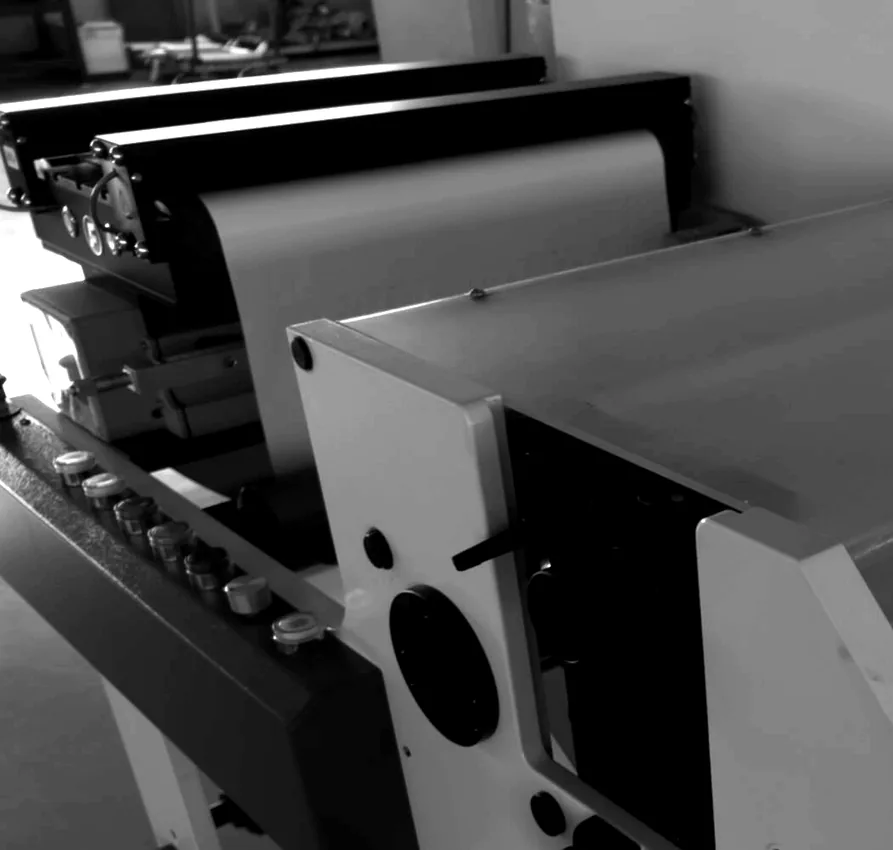
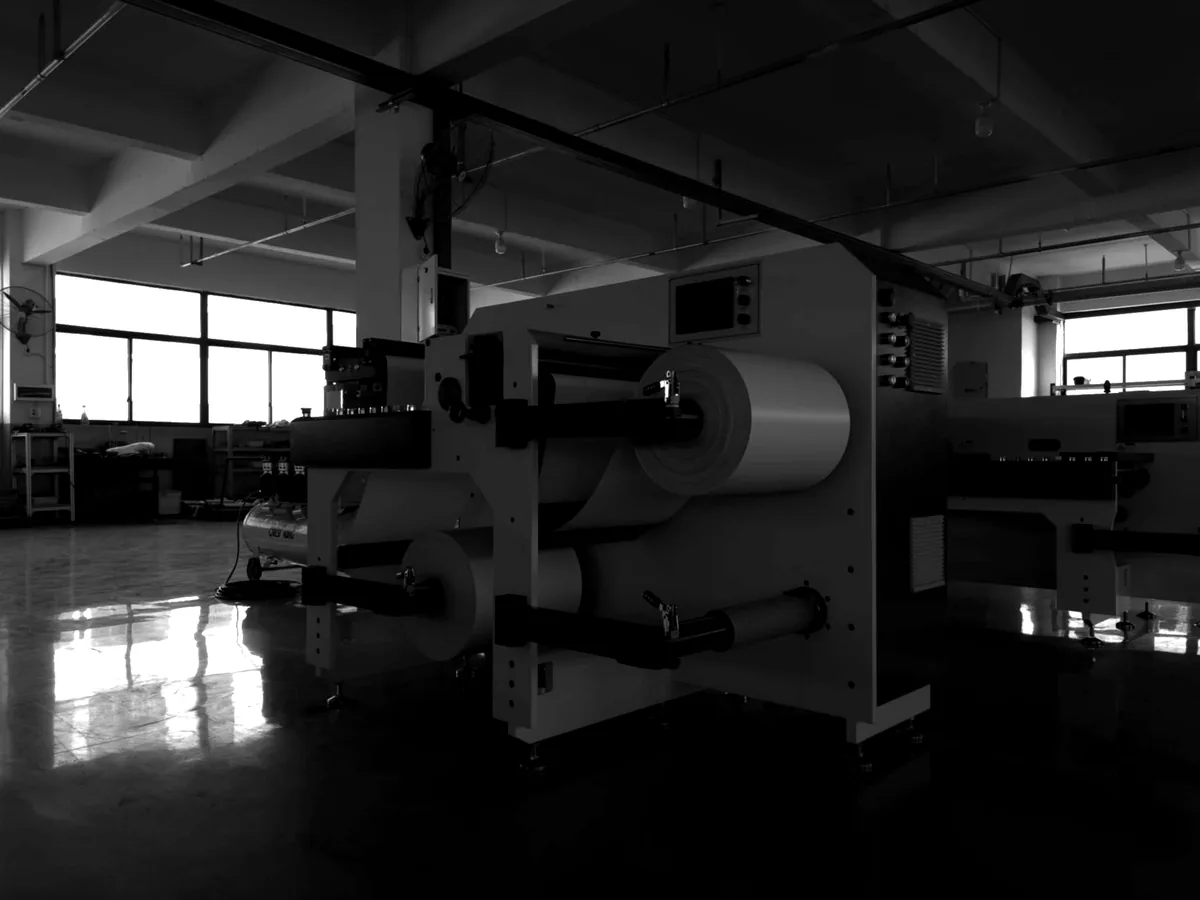
Photos and Video
FAQ
Do I need a slitter rewinder or an inspection slitter rewinder?
If you only slit blank rolls or simple materials, a basic slitter rewinder may be enough. If you need to inspect printed labels and rewind finished rolls for delivery, an inspection slitter rewinder is more suitable.
What web width should I choose?
Choose web width according to printing machine width, mother roll width, lane layout and future production plan.
Is 570mm web width enough for common label production?
For many sticker, barcode and self-adhesive label jobs, 570mm can cover common needs. However, it depends on label size, lanes, mother roll width and future orders.
What causes label roll deviation during rewinding?
Common causes include unstable tension, poor roll loading, material edge variation, incorrect web guiding setup or misaligned rollers.
Why are slitting edges not clean?
Poor edge quality may be caused by dull knives, wrong blade pressure, adhesive buildup, unsuitable knife type or unstable tension.
How does tension control affect rewinding quality?
Tension control affects web stability, roll tightness and finished roll appearance.
What information should I send before asking for quotation?
Send material type, maximum web width, finished roll width, roll diameter, core size, label size, required speed and inspection requirement.
Ask an Engineer
Not sure which inspection slitter rewinder fits your label production?
Send us your material type, maximum web width, roll diameter, finished roll width, label sample and required speed. MWELLPACK can recommend a suitable configuration based on real production requirements.
Related Articles
Related Machines
Inspection Slitter Rewinder
Machine guide for label roll inspection, slitting and rewinding.
View machine guideDigital Label Finishing Machine
Finishing line for digital printed label rolls.
View machine guideFlexo Printing Machine
Label printing machine for self-adhesive and packaging labels.
View machine guide